Build an Energy Efficient Home with Window Furnishings
By • July 28, 2026
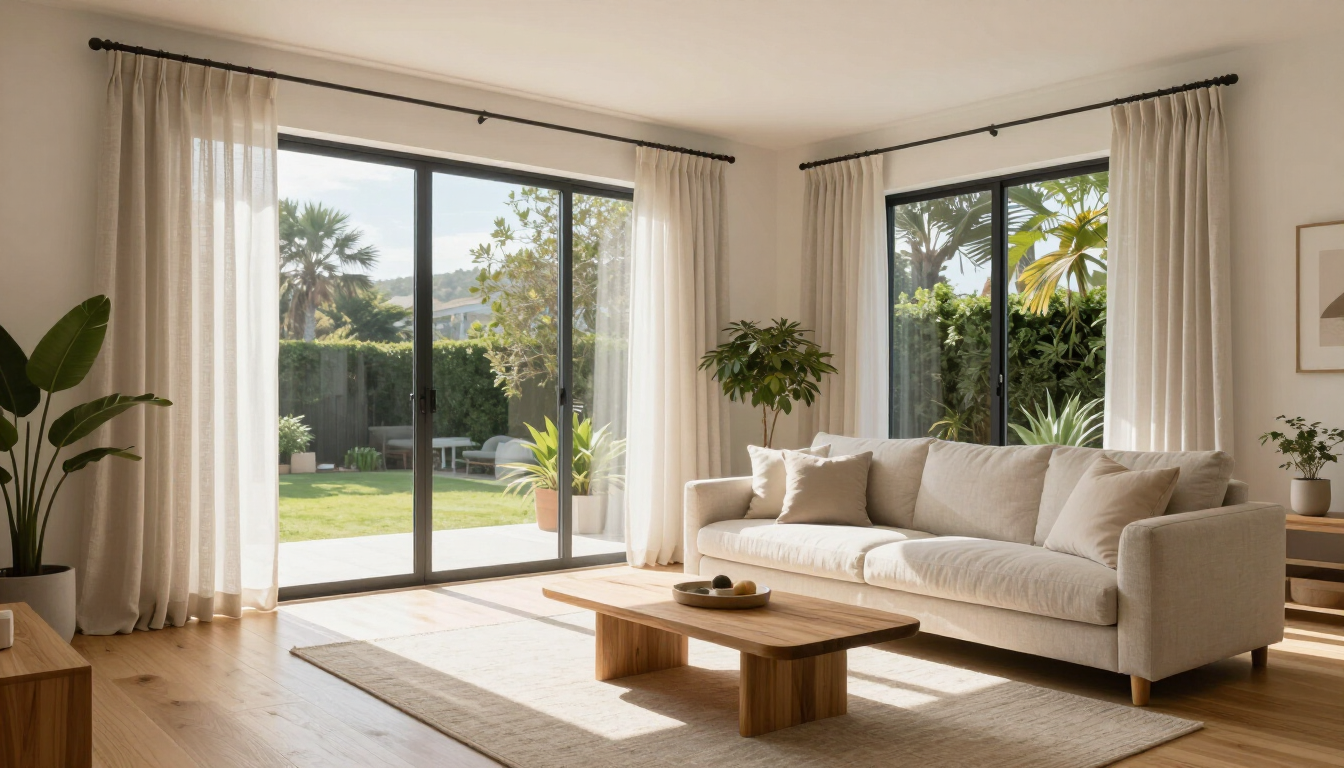
An energy efficient home uses window furnishings like blockout curtains, cellular blinds, and plantation shutters to create a thermal barrier. By reflecting solar heat in summer and retaining warmth in winter, these treatments significantly reduce reliance on artificial cooling and heating, lowering energy bills and environmental impact. Investing in quality, custom-made window treatments is a proven strategy for sustainable living.
Creating a comfortable sanctuary that doesn't cost the earth to run is a top priority for many Sunshine Coast homeowners today. As we see temperatures fluctuate and energy prices rise, the role of your windows—and what you put on them—has never been more critical. While double glazing is a fantastic long-term investment, the immediate and highly effective solution for many renovators lies in selecting the right window furnishings. Whether you are looking at custom blinds or elegant custom curtains , each choice plays a vital role in your home's overall thermal performance. By understanding the physics of heat transfer and how different materials interact with sunlight, you can transform a drafty or overheated room into a perfectly tempered space. In this guide, we will explore the best options for building an energy efficient home that looks as good as it feels.
How do window furnishings improve energy efficiency?
Window furnishings act as a primary defense system for your home's envelope. Glass is a notorious conductor of heat; during a typical Sunshine Coast summer, unprotected windows can account for up to 87% of the heat gain in a house. Conversely, in the cooler months, those same windows can be responsible for up to 40% of heat loss. By installing high-quality furnishings, you are essentially adding a layer of insulation that traps a pocket of air between the glass and the room. This stagnant air acts as a buffer, slowing down the transfer of energy. When you use materials with high thermal resistance, you effectively 'seal' the window area, preventing the outdoor climate from dictating your indoor comfort level.
Beyond just temperature control, these furnishings also provide significant protection against UV radiation. This isn't just about your comfort; it’s about the longevity of your home’s interior. Sun damage can fade floorboards, ruin expensive upholstery, and degrade artwork. By managing the light that enters your home, you are performing a dual role: keeping the heat out and protecting your assets. This holistic approach to efficiency means you are saving money not just on your monthly electricity bill, but also on future maintenance and replacement costs. It is a win-win for the savvy homeowner who values both sustainability and style.
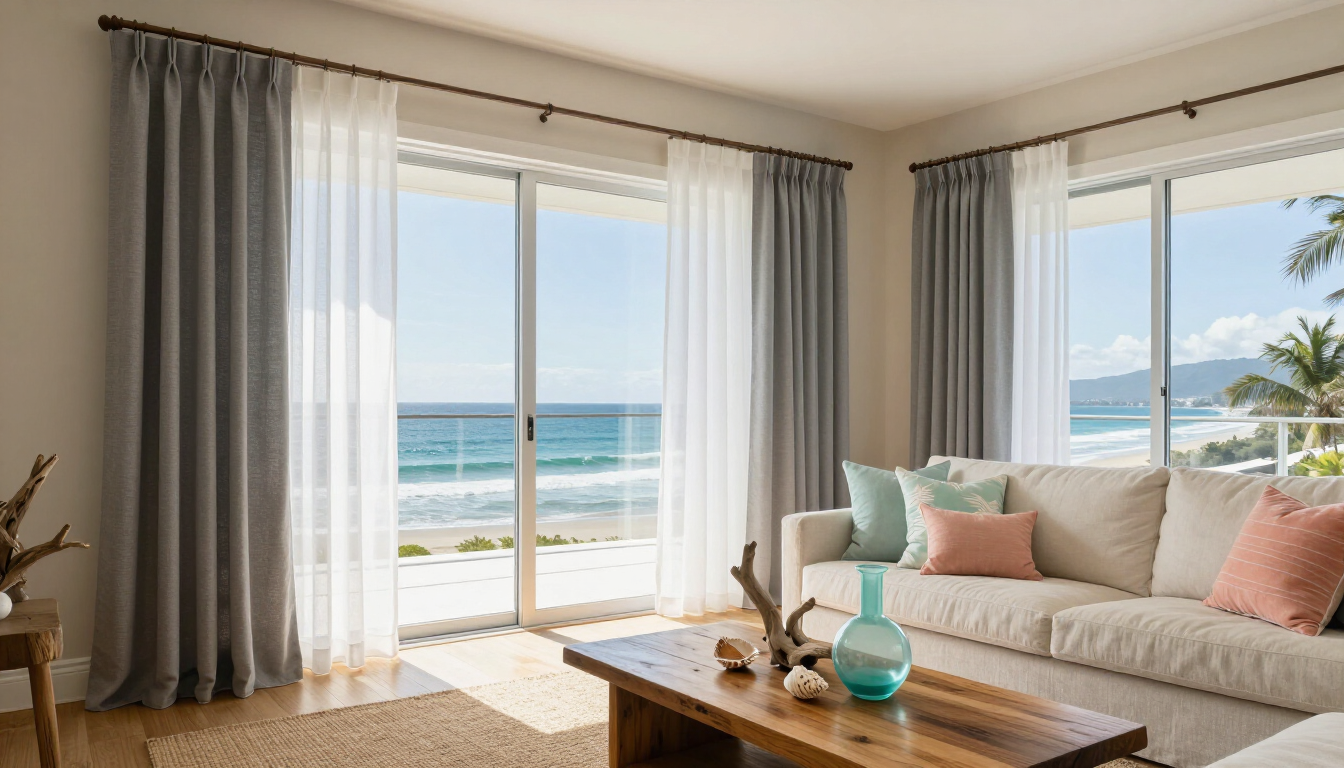
The Thermal Science of Solar Gain and Heat Loss
To truly master the art of the energy efficient home, one must understand the three ways heat moves: conduction, convection, and radiation. Conduction is the direct transfer of heat through the window glass. Convection involves the movement of air, such as when warm air rises and cool air sinks near a window, creating a draft. Radiation is the heat you feel directly from the sun’s rays hitting a surface. Modern window furnishings are designed to combat all three. For instance, a heavy blockout curtain prevents radiation, while a snug-fitting shutter reduces convection by limiting air movement around the window frame.
Selecting the right fabric or material is the next step in this scientific approach. Light-colored fabrics are excellent for reflecting solar radiation away from the house, making them ideal for north-facing windows that receive intense afternoon sun. On the other hand, darker, heavier materials can absorb heat, which might be useful for south-facing windows in colder climates, though rarely necessary in our subtropical region. The density of the weave also matters. A tighter weave provides a better barrier against conduction. This is why we often recommend a combination of sheer and blockout options, allowing you to fine-tune the thermal performance throughout the day as the sun moves across the sky.
Which roller blinds are best for heat protection?
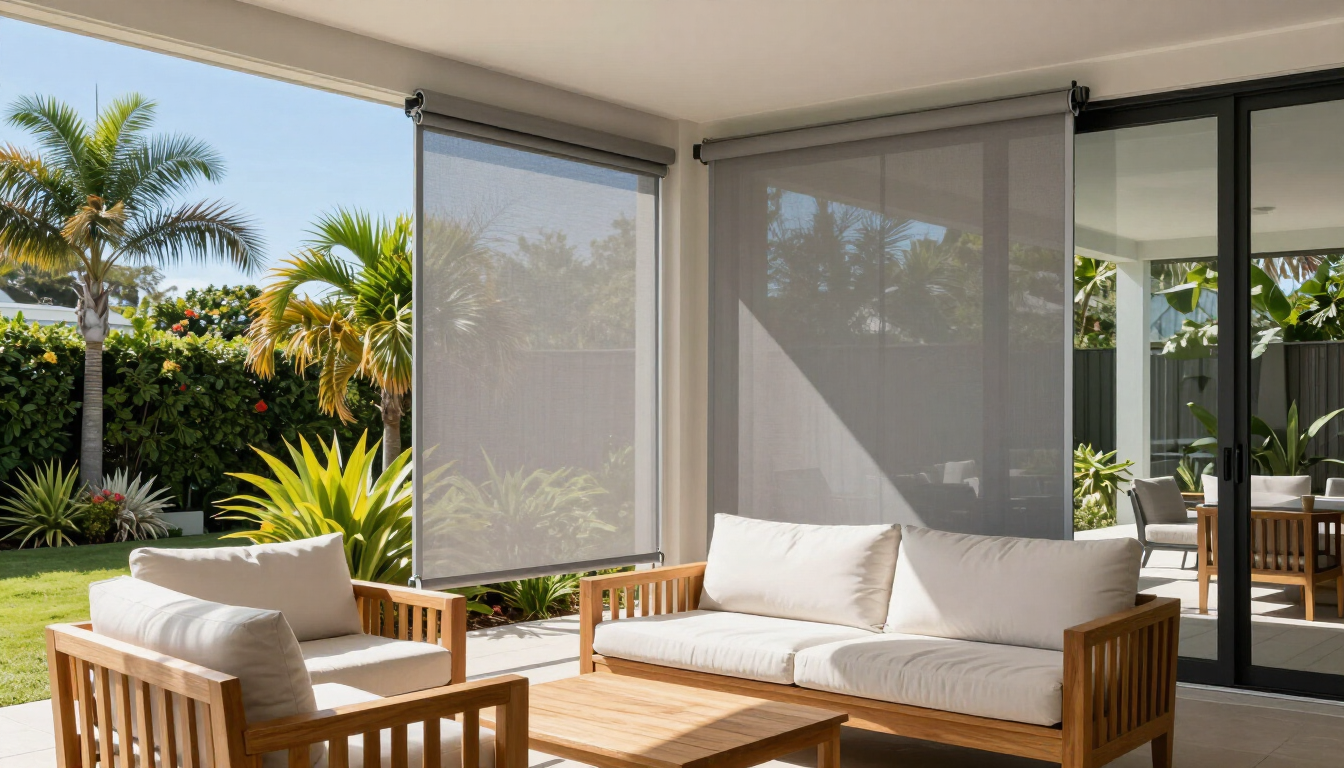
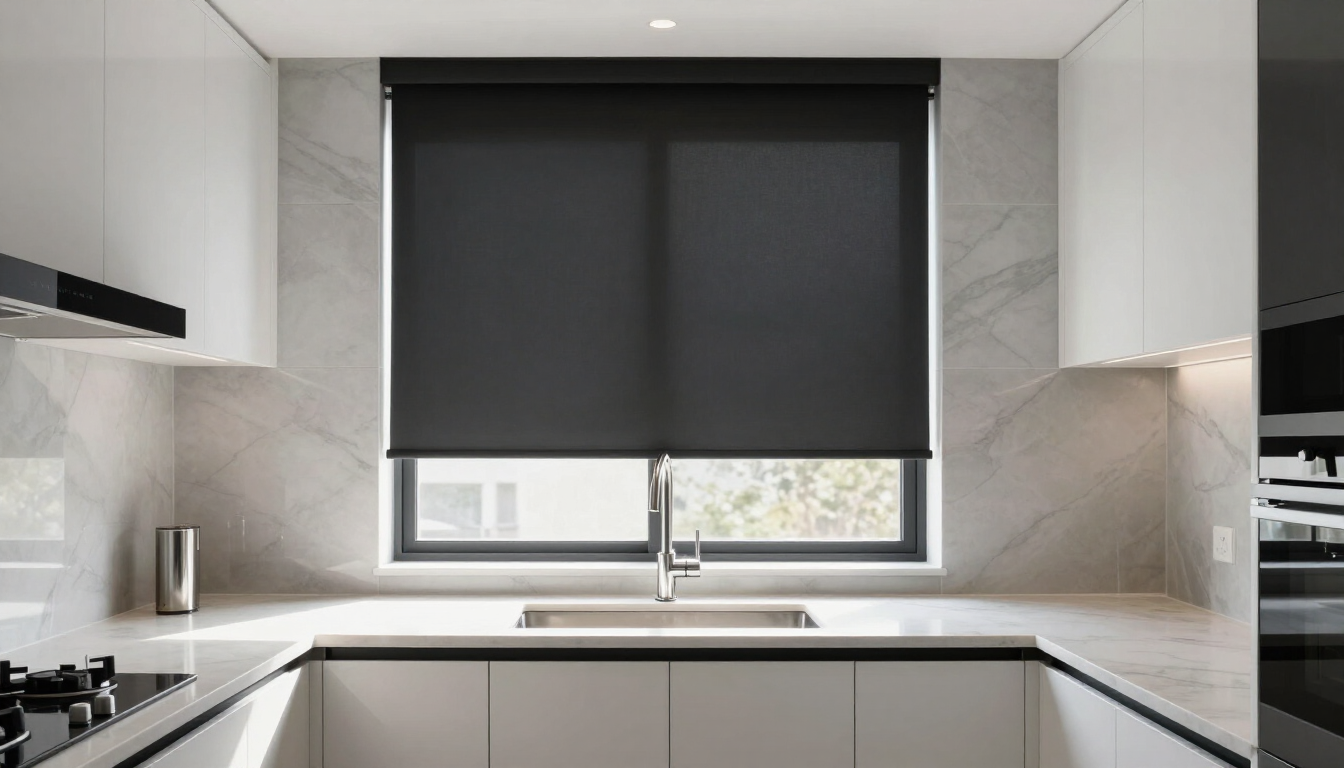
Roller blinds are a staple in modern Australian design because of their minimalist aesthetic and functional simplicity. When it comes to energy efficiency, the performance of a roller blind depends heavily on the fabric choice and the fit. Reflective-backed fabrics are the gold standard for heat protection. These fabrics feature a specialized coating on the side facing the window that bounces solar energy back outside before it can warm up your room. This keeps the interior significantly cooler even during the peak of a summer heatwave in Maroochydore or Noosa. For those seeking the ultimate in efficiency, 'honeycomb' or cellular roller blinds are another fantastic option, as their unique structure traps air in individual cells, providing superior insulation.
To maximize the benefits of roller blinds, consider the following features:
- Side Channels : These tracks eliminate the gaps at the edges of the blind, preventing light and heat leakage.
- Reflective Backing : Fabrics with a white or silver backing reflect up to 70% of solar heat.
- Motorization : Smart sensors can automatically lower your blinds when the sun is at its hottest.
- Blockout Fabrics : These provide 100% light occlusion and the highest thermal barrier.
- Proper Mounting : Installing blinds inside the window reveal creates a tighter seal for better air entrapment.
Roman blinds offer a slightly different thermal profile. Because they are made from folded fabric, they tend to be thicker than standard rollers, which adds to their insulating properties. When lowered, a roman blind provides a solid, heavy layer that is excellent at preventing heat loss during the night. For renovators in the Sunshine Coast hinterland where nights can get surprisingly crisp, roman blinds offer a cozy, efficient solution that pairs well with traditional or farmhouse-style interiors. Both options, when measured and installed correctly by professionals, form a crucial part of an integrated home cooling strategy.
Why Curtains and Drapes Are Seasonal Saviours
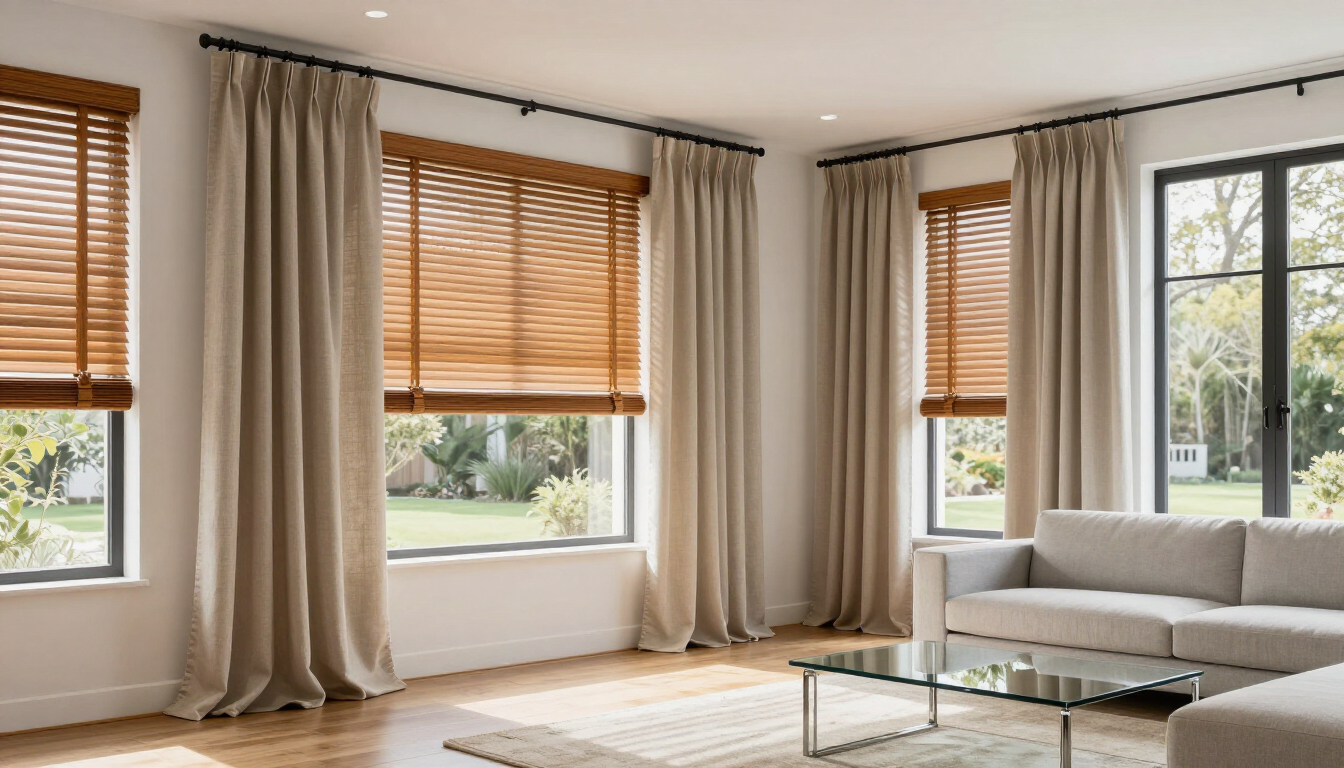
Curtains are perhaps the most versatile tool in your energy-efficiency toolkit. Unlike blinds, which often sit inside the window frame, curtains can be designed to cover the entire window opening and the surrounding wall. This creates a much larger air buffer. To achieve maximum efficiency, curtains should be floor-to-ceiling and wide enough to return to the wall, effectively 'boxing in' the window. Using a pelmet—a decorative box at the top of the curtain—is another expert tip. Pelmets prevent 'convection currents' where warm air enters the gap at the top of the curtain, cools against the glass, and then drops out the bottom, creating a constant cooling cycle in winter or heating cycle in summer.
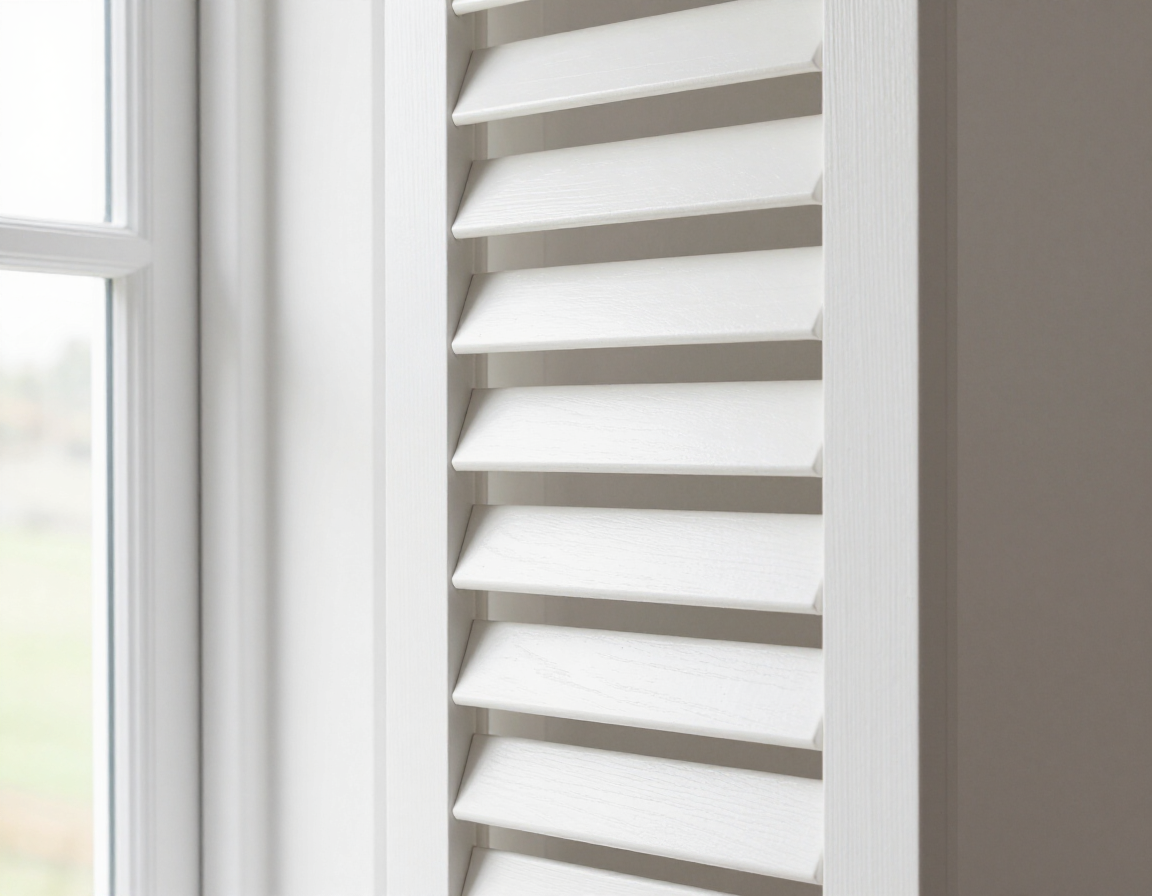
Choosing a high-quality lining is just as important as the face fabric. A three-pass blockout lining offers a layer of foam between two layers of fabric, providing an incredible R-value (a measure of thermal resistance). During a hot day in Noosa, closing these curtains can keep a room several degrees cooler than the outside air without turning on the air conditioner. In the evening, they act like a blanket for your windows, keeping the expensive warmth from your heater inside. This seasonal flexibility makes curtains a favorite for homeowners who want to balance aesthetic elegance with practical, year-round energy savings.
Are shutters more energy efficient than blinds?
Interior and exterior shutters are often considered the premium choice for window treatments, and their energy efficiency is a major reason why. Unlike blinds that might move with a breeze, shutters are fixed firmly to the window frame. This creates a very stable and effective seal. Plantation shutters, in particular, are excellent for controlling airflow. By tilting the louvers, you can direct cool breezes into the home while simultaneously blocking direct sunlight. This 'passive cooling' technique is perfect for the coastal climate, allowing you to maintain privacy and ventilation without sacrificing thermal control.
When comparing shutters to blinds, the material of the shutter plays a significant role in its efficiency:
- Timber Shutters : Natural wood is an excellent insulator, providing a warm aesthetic and solid thermal barrier.
- PVC/Synthetic Shutters : These are often moisture-resistant and feature hollow or reinforced cores that trap air.
- Aluminum Shutters : Primarily for exterior use, these reflect heat before it even reaches the glass.
- Insulated Louvers : Some modern shutters feature specialized cores designed specifically for higher R-values.
- Custom Fit : A professional install ensures no gaps, which is the key to preventing thermal bridging.
While the initial investment in shutters might be higher than some blind options, their durability and energy-saving potential often result in a higher return on investment over time. They are also a permanent fixture that can add significant value to your property. For renovators looking to 'future-proof' their homes, shutters provide a timeless look that works harmoniously with the goal of creating a sustainable, energy efficient home. They are especially effective on large, west-facing windows that bear the brunt of the afternoon sun.
Smart Selection for the Sunshine Coast Climate
Living on the Sunshine Coast presents unique challenges for energy efficiency. We deal with high humidity, intense salt spray near the coast, and some of the highest UV ratings in the country. Therefore, your window furnishings need to be more than just pretty; they need to be tough. For areas like Pelican Waters or Peregian Beach, choosing materials that won't warp in the humidity or fade in the sun is essential. This is where our local expertise in services comes into play. We understand how the sun hits a home in Buderim versus how the wind hits a balcony in Coolum, and we tailor our recommendations accordingly.
Layering is the ultimate 'pro-move' for local homeowners. By combining a sunscreen roller blind with a heavy blockout curtain, you gain total control over every environment. During the day, the sunscreen blind cuts the glare and UV while maintaining your view of the hinterland. At night, or during a scorching summer day, the blockout curtains can be drawn to provide maximum insulation. This dual-layer approach is the most effective way to manage the local climate’s volatility. It allows you to adapt your home’s 'skin' to whatever the weather is doing, ensuring you stay comfortable while your energy meter barely moves.
Can layering window treatments save you money?
Absolutely. The synergy created by layering window treatments significantly boosts your home's thermal resistance. Think of it like dressing in layers for cold weather; each layer adds a new pocket of air and a new barrier. In a typical home, this can lead to a reduction in energy costs by up to 25% or more, depending on the severity of the weather and the efficiency of the rest of the house. By reducing the load on your HVAC system, you also extend the life of your air conditioner, leading to even further long-term savings. For renovators, this is one of the most cost-effective ways to improve a home's energy rating without major structural changes.
To summarize the key takeaways for building an energy efficient home:
- Prioritize Insulation : Look for honeycomb structures or heavy blockout linings to maximize thermal resistance.
- Focus on Fit : Ensure your window furnishings are custom-measured to eliminate gaps and drafts.
- Think Regionally : Choose materials that can withstand the Sunshine Coast’s humidity and UV levels.
- Layer for Flexibility : Combine blinds and curtains to give yourself year-round control over light and heat.
- Invest in Quality : Custom-made solutions outlast and outperform off-the-shelf products in every efficiency metric.
Building an energy efficient home is a journey of small, smart choices that add up to a big impact. By starting with your window furnishings, you are addressing one of the most significant sources of heat transfer in your house. Whether you choose the sleek lines of roller blinds, the classic appeal of plantation shutters, or the soft luxury of custom curtains, you are taking a definitive step toward a more sustainable, comfortable, and cost-effective lifestyle. Ready to transform your home? Contact our local family-owned team today to discuss how we can help you achieve the perfect balance of style and efficiency.
Transform Your Space with Expert Insights
Receive the latest trends in blinds, curtains, and more directly to your inbox! Join the Another Blind Man family for updates.
Contact Us
We will get back to you as soon as possible.
Please try again later.
Latest Posts